
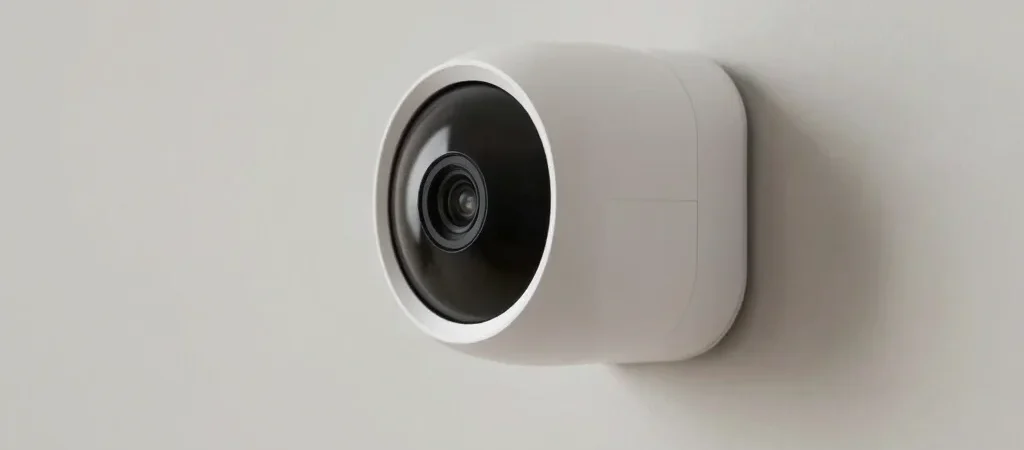
Installing home security hardware should provide peace of mind without introducing unexpected monthly subscription costs. Many popular smart cameras lock essential features behind recurring paywalls that significantly alter total ownership cost. We evaluate both hardware performance and long-term costs to give you a complete pros and cons breakdown.
Video Sharpness and Night Vision Capability
Sharp 2K video resolution delivers crisp details during daytime monitoring, but infrared night vision performance varies dramatically between models. Color night vision systems require ambient light sources, whereas traditional infrared LEDs perform reliably in pitch darkness. Evaluating camera lens placement and lighting environment ensures you capture clear footage when needed.
Local Storage versus Cloud Subscription Models
Local MicroSD card recording eliminates recurring fees entirely, though offsite cloud backup protects recordings if hardware is tampered with. Some brands offer encrypted local hub storage as a balanced middle ground. Carefully factor annual cloud service plans into your budget before deciding on a specific smart home brand.
Our Final Smart Home Recommendation
The optimal smart security setup depends on whether you value complete data privacy or effortless cloud access. Prioritise cameras with reliable motion detection filters to prevent unnecessary alerts from passing traffic. An informed buying decision upfront saves hundreds of pounds over the lifetime of your security system.


